
Introduction
Glazing is an essential component of any building, contributing to both its aesthetics and functionality. When it comes to choosing the right glazing for your house, the decision between double glazing and single glazing can be a tough one. This article delves into the ‘Double glazing vs single glazing’ debate, exploring their composition, advantages, drawbacks, and the factors to consider before making a decision. So, let’s get started by understanding the basics of glazing and how these two options stack up against each other.
Understanding the Basics of Glazing
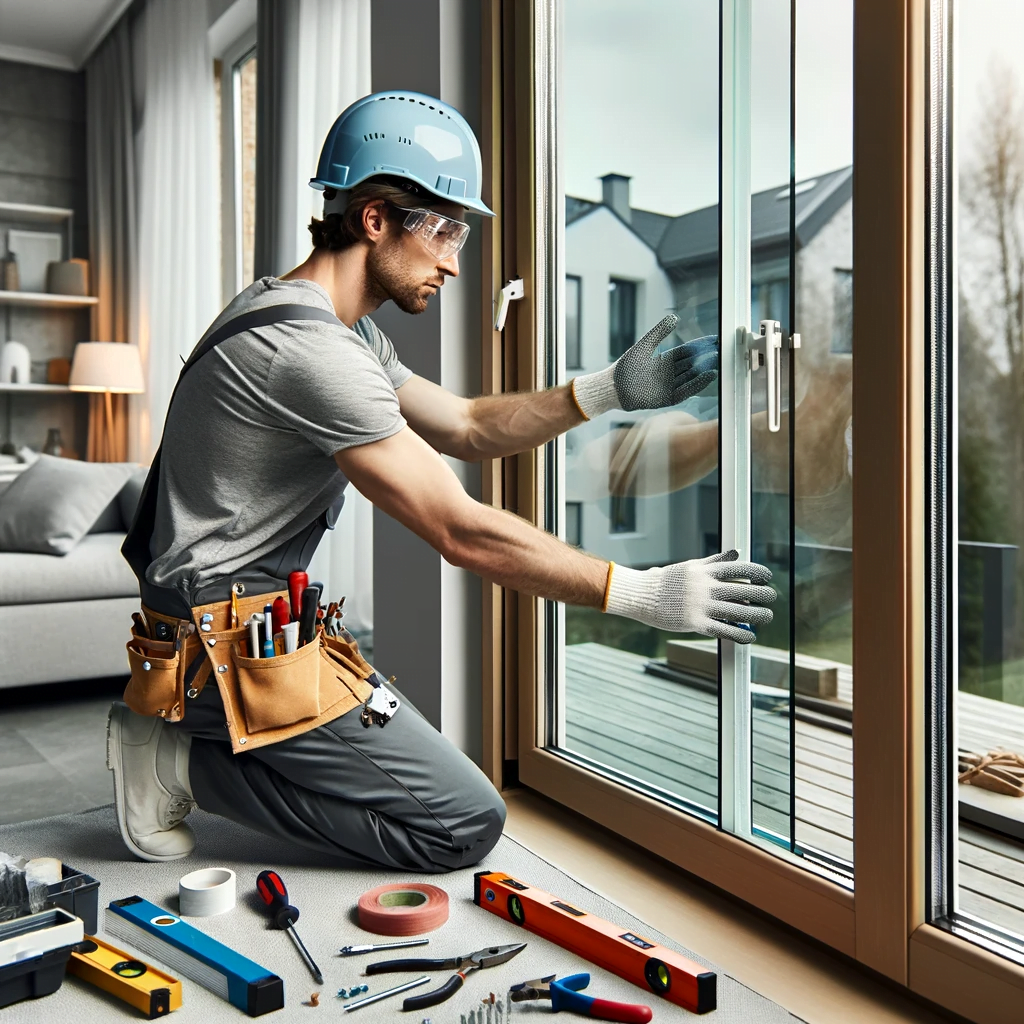
Glazing refers to the process of installing glass panels in windows and doors. It serves multiple purposes, including allowing natural light into a building, providing insulation, and enhancing the overall appearance. Glazing can be categorized into two main types: single glazing and double glazing.
Exploring Single Glazing
A. Definition and Composition
Single glazing consists of a single pane of glass that is typically around 4-6mm thick. It is the traditional and most basic form of glazing that has been used for centuries in buildings across the globe.
B. Advantages of Single Glazing
- Affordability and Simplicity: Single glazing is generally more affordable compared to double glazing, making it a popular choice for homeowners on a budget. Its simplicity also means that it can be easily installed.
- Minimal Maintenance Requirements: Due to its straightforward construction, single glazing requires minimal maintenance. Regular cleaning and occasional sealant application are usually sufficient to keep it in good condition.
- Historical and Architectural Authenticity: For historical or heritage buildings, single glazing can maintain the authenticity and charm of the architecture. It allows for the preservation of traditional design elements and original window frames.
C. Drawbacks of Single Glazing
- Limited Insulation Performance: Single glazing offers poor insulation properties, which can lead to significant heat loss during winters and heat gain during summers. This inefficiency contributes to higher energy consumption and increased utility bills.
- Increased Heat Loss and Energy Consumption: Since single glazing has only one layer of glass, it fails to provide adequate thermal insulation. As a result, rooms can get colder in winter and hotter in summer, necessitating more energy for heating and cooling.
- Inadequate Noise Reduction: Single glazing is less effective at reducing outside noise compared to its double glazing counterpart. This can be problematic, especially for houses located near busy streets or in noisy neighbourhoods.
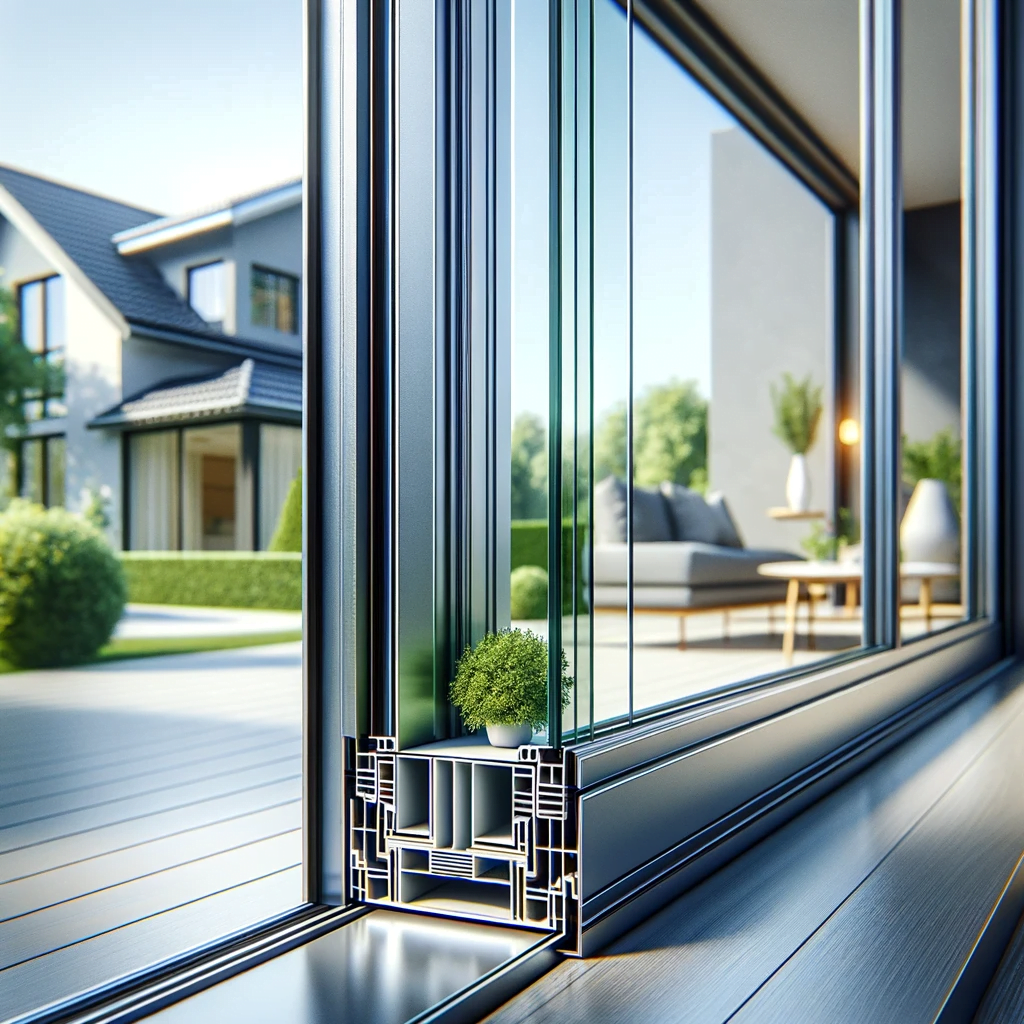
The advantages of double glazing.
A. Definition
Double glazing, as the name implies, consists of two glass panes that are separated by a layer of air or inert gas. This construction design enhances its insulation capabilities.
B. Advantages of Double Glazing
- Superior Insulation and Energy Efficiency: The primary advantage of double glazing its exceptional insulation properties. By creating a barrier between the inside and outside, it helps maintain a comfortable temperature year-round, reducing the need for excessive heating or cooling.
- Noise Reduction and Sound Insulation: Double glazing is highly effective in reducing external noise, making it an excellent option for homes located in noisy areas. The additional layer of glass, combined with the air or gas-filled cavity, helps dampen sound waves.
- Enhanced Security and Privacy: Double glazing offers enhanced security compared to single glazing. The two glass panes make it more difficult for intruders to break through, providing an added layer of protection for your house. It also enhances privacy by reducing visibility from outside.
C. Considering the Drawbacks of Double Glazing
- Higher Initial Investment: One of the primary considerations when choosing double glazing is the higher upfront cost compared to single glazing. However, this cost is often offset by long-term energy savings and increased comfort.
- Potential Installation Challenges: The installation of double glazing requires expertise and precision, as the glass panes need to be properly sealed and the frame adjusted accordingly. Improper installation can result in reduced efficiency and potential air leakage.
- Repairs and Maintenance Requirements: While double glazing generally requires less maintenance compared to single glazing, in case of any damage to the seals or glass panes, repairs can be more expensive. Regular inspections and maintenance are crucial to ensure its longevity.
Energy Efficiency and Environmental Impact
A. Comparing Energy Efficiency Ratings
When it comes to energy efficiency, double glazing far surpasses single glazing. The additional glass pane, coupled with the air or gas layer, greatly reduces heat transfer, leading to reduced energy consumption and lower utility bills.
B. Evaluating the Environmental Impact
- Reducing Carbon Footprint: Double glazing helps reduce carbon emissions by minimizing heat loss. By maintaining a consistent temperature inside, it reduces the dependency on heating or cooling systems powered by fossil fuels.
- Minimizing Heat Loss and Demand for Heating: With its superior insulation capabilities, double glazing minimizes heat loss and the subsequent need for heating. This not only saves energy but also contributes positively to the environment.
- Lower Energy Bills and Long-term Savings: By reducing energy consumption, double glazing can lead to significant savings in utility bills over the long term. While the initial investment may be higher, the financial benefits, as well as the positive environmental impact, make it a worthy consideration.
Making the Decision: Factors to Consider
Choosing between double glazing and single glazing depends on several factors unique to each homeowner. Consider the following factors before making a decision:
A. Climate and Geographical Location:
The climate and geographical location play a crucial role in determining the most suitable glazing option. For regions with extreme temperatures, double glazing is highly recommended due to its superior insulation properties.
B. Noise Pollution Levels:
If you live in a noisy neighborhood, double glazing is likely to provide a quieter environment by reducing the transmission of external noise. However, if noise is not a significant concern, single glazing may be more cost-effective.
C. Budget and Financial Considerations:
While double glazing involves a higher initial investment, it offers long-term energy savings. Consider your budget and evaluate the potential cost savings over time to make an informed decision.
D. Desired Aesthetics and Architectural Compatibility:
The aesthetic appeal and architectural compatibility of the glazing option with your house should also be considered. For heritage buildings or properties with specific architectural requirements, single glazing may be the preferred choice.
E. Long-term Investment Analysis:
Evaluate double glazing as a long-term investment. Consider the potential increase in property value, energy savings, and reduced maintenance costs to determine if the benefits outweigh the initial expense.
Summary and Conclusion
In conclusion, the choice between double glazing and single glazing depends on individual preferences and specific requirements. While single glazing may be suitable for historical authenticity and limited budgets, double glazing delivers superior insulation, noise reduction, security, and energy efficiency benefits. Prioritizing energy efficiency and comfort is crucial when making this decision. So, whether you prefer the simplicity of single glazing or the advanced performance of double glazing, make a choice that aligns with your specific needs and supports a sustainable future for your home.
Conclusion
Double glazing offers numerous benefits, including increased comfort, reduced energy expenses, and improved energy efficiency. The Glazing Squad, The best glazing expert in High Wycombe, Buckinghamshire, is the top choice for all your glazing needs. They understand the importance of your investment and guarantee long-term benefits. Their dedicated team is conveniently located in High Wycombe, and their exceptional service and expertise can transform your home or business. Trust The Glazing Squad to make a significant difference in your property.
Right now it sounds like BlogEngine is the preferred blogging platform available right now. (from what I’ve read) Is that what you’re using on your blog?